Tamil Literature Tree

How Tamil literature branched out, from the Sangam age to today

This tree shows how Tamil literature has branched out over more than 2,000 years: nine branches, 112 books and writers.

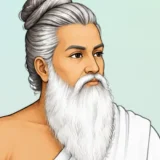
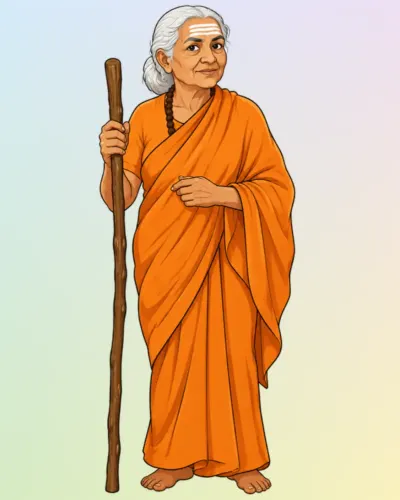
  1. Avvaiyar
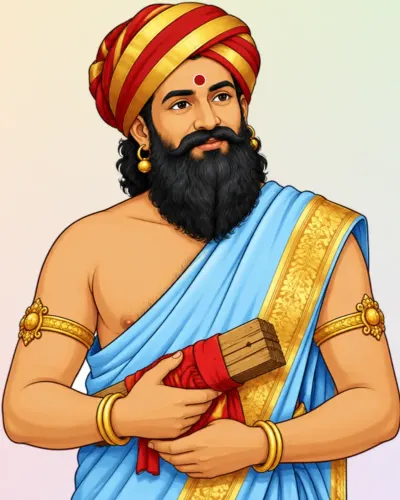
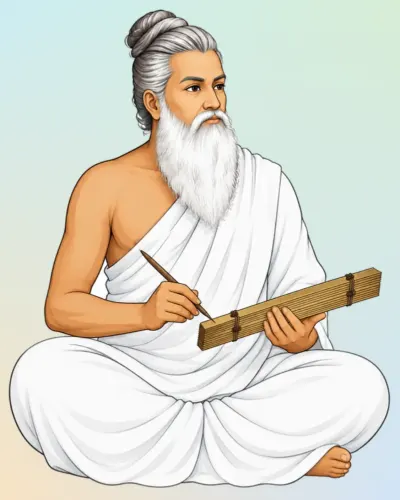
  2. Thiruvalluvar
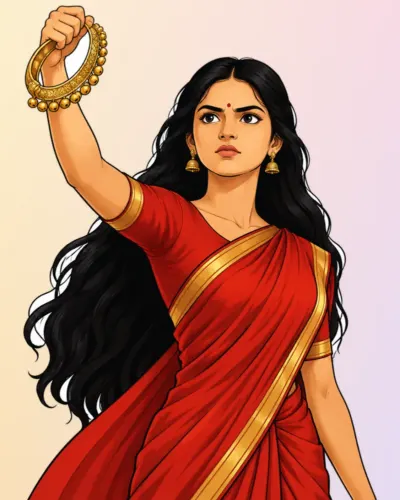
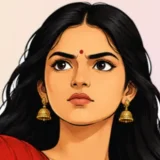
  3. Kannagi
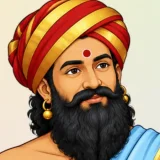
  4. Kambar
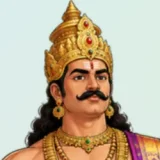
  5. Rajaraja Chozhan
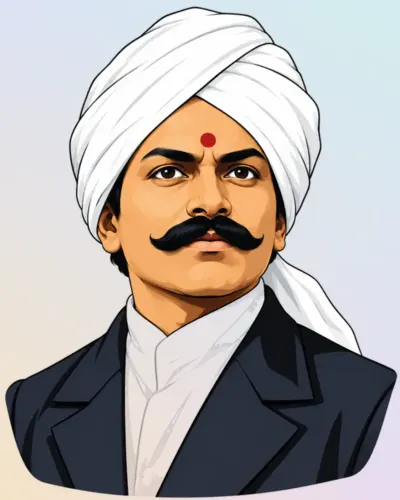
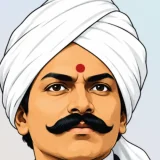
  6. Bharathiyar
Download the map (PDF) · 2.2 MB
WhatsApp Facebook
1

Sangam literature

சங்க இலக்கியம் · About 300 BCE – 300 CE

The oldest Tamil literature: a grammar and the 18 major books (Pathinen Melkanakku). About 2,381 poems by 473 poets; the poets of 102 poems are not known.

Did you know?

  • Kurinjippattu names 99 flowers, one after another.
  • Maduraikkanchi sings of Madurai's day market (Naalangadi) and its night market (Allangadi).
  • The poet of Kurunthokai 40 is not known; he is called Sempulappeyalneerar, after his own line "like rain on red earth".
Avvaiyar
Avvaiyar
  • Grammar
    • தொல்காப்பியம் Tolkappiyam

      about 1,600 sutras
      Author
      Tolkappiyar
      Parts
      Three books, on letters (Ezhuthu), words (Sol) and subject matter (Porul), in 27 chapters
      Of note
      The oldest Tamil grammar that survives. Its third book sets out akam, puram and the five landscapes. Its date is debated.
  • Pathinen Melkanakku

    The 18 major books

    • 18 books
    • 2,381 poems (about)
    • 473 poets
    • எட்டுத்தொகை Ettuthokai

      Eight anthologies · single poems by many poets

      நற்றிணை நல்ல குறுந்தொகை ஐங்குறுநூறு ஒத்த பதிற்றுப்பத்து ஓங்கு பரிபாடல் கற்றறிந்தார் ஏத்தும் கலியோடு அகம்புறம் என்று இத்திறத்த எட்டுத் தொகை

      The number in the circle is the book's place in this verse. The opening prayer poems of five of them (Natrinai, Kurunthokai, Ainkurunuru, Akananuru, Purananuru) are by Bharatham Padiya Perunthevanar.

      • Akam (love)
        • 1

          நற்றிணை Natrinai

          400 poems
          Lines
          9 – 12
          Patron
          Pannadu Thantha Pandiyan Maran Vazhuthi
          Compiled by
          Not known
        • 2

          குறுந்தொகை Kurunthokai

          401 poems
          Lines
          4 – 8 (short poems)
          Compiled by
          Poorikko
          Of note
          Poem 40: "யாயும் ஞாயும் யாரா கியரோ… செம்புலப் பெயல்நீர் போல" (like rain on red earth, our loving hearts have mixed). Its poet's name is lost, so we call him Sempulappeyalneerar after this line. Poem 2, "கொங்குதேர் வாழ்க்கை", is the poem of the Dharumi and Nakkeerar story.
        • 3

          ஐங்குறுநூறு Ainkurunuru

          500 poems
          Lines
          3 – 6
          Compiled by
          Pulathurai Mutriya Koodalur Kizhar
          Patron
          The Chera king Yanaikatchey Mantharancheral Irumporai
          Poets
          One for each landscape, 100 poems each: Marutham by Orampokiyar, Neythal by Ammoovanar, Kurinji by Kapilar, Paalai by Othalanthaiyar, Mullai by Peyanar
        • 6

          கலித்தொகை Kalithokai

          150 poems
          Metre
          Kalippa
          Compiled by
          Nallanthuvanar
          Of note
          Many poems are dialogues, like small plays.
          Poets
          By tradition: Paalai by Perunkadunko, Kurinji by Kapilar, Marutham by Maruthan Ilanaganar, Mullai by Chozhan Nalluruthiran, Neythal by Nallanthuvanar
        • 7

          அகநானூறு Akananuru

          400 poems
          Lines
          13 – 31 (also called Nedunthokai, "the long anthology")
          Compiled by
          Uruthirasanman
          Patron
          The Pandya king Ukkira Peruvazhuthi
          Arrangement
          The number tells the landscape: odd numbers are Paalai · ending in 2 or 8 Kurinji · 4 Mullai · 6 Marutham · 0 Neythal
          Parts
          Kalitriyanai Nirai (1–120), Manimidai Pavalam (121–300), Nithilak Kovai (301–400)
      • Puram (war, kings, giving)
        • 4

          பதிற்றுப்பத்து Pathitruppathu

          80 poems
          In praise of
          Ten Chera kings, ten poems each (100 at first)
          Lost
          The first and the tenth ten
          Of note
          The fifth ten is by Paranar, on Cheran Senguttuvan. The sixth is by a woman poet, Kakkaipadiniyar Nachellaiyar. The seventh is by Kapilar.
        • 8

          புறநானூறு Purananuru

          400 poems
          About
          Kings, war, giving, how to live
          Compiled by
          Not known
          Of note
          Poem 192, by Kaniyan Poongundranar: "யாதும் ஊரே யாவரும் கேளிர்" (every town is my town, everyone my kin). The main source for early Tamil history; it also tells how Athiyaman gave Avvaiyar the rare gooseberry.
      • Akam and puram
        • 5

          பரிபாடல் Paripadal

          about 24 poems
          At first
          70 poems; most are lost
          About
          Thirumal, Murugan, the Vaigai river, Madurai
          Of note
          Songs set to music: each one names its melody (pann) and who set it.
    • பத்துப்பாட்டு Pattuppattu

      Ten long poems · each a single poem by one poet (103 – 782 lines)

      முருகு பொருநாறு பாணிரண்டு முல்லை பெருகு வளமதுரைக் காஞ்சி — மருவினிய கோலநெடு நல்வாடை கோல்குறிஞ்சிப் பட்டினப் பாலை கடாத்தொடும் பத்து

      The number in the circle is the book's place in this verse. Aatruppadai ("showing the way"): an artist who has been rewarded tells a poor one the way to a generous patron. Two poets wrote two each: Nakkeerar (1, 7) and Kadiyalur Uruthirankannanar (4, 9).

      • Aatruppadai · puram
        • 1

          திருமுருகாற்றுப்படை Thirumurugatruppadai

          317 lines
          Poet
          Nakkeerar
          In praise of
          Murugan
          Of note
          Murugan's six abodes (Arupadai Veedu). Also called Pulavaratruppadai.
        • 2

          பொருநராற்றுப்படை Porunaratruppadai

          248 lines
          Poet
          Mudathamak Kanniyar
          In praise of
          Karikala Chola
        • 3

          சிறுபாணாற்றுப்படை Sirupanatruppadai

          269 lines
          Poet
          Nalloor Nathathanar
          In praise of
          Oymaan Nalliyakkodan
          Of note
          The seven great patrons (Kadai Ezhu Vallalgal): Pegan, Pari, Kari, Aai, Athiyaman, Nalli, Ori
        • 4

          பெரும்பாணாற்றுப்படை Perumpanatruppadai

          500 lines
          Poet
          Kadiyalur Uruthirankannanar
          In praise of
          Thondaiman Ilanthiraiyan, king of Kanchi
        • 10

          மலைபடுகடாம் Malaipadukadam

          583 lines
          Poet
          Perunkundrur Perunkausikanar
          In praise of
          Nannan Sey Nannan
          Of note
          Also called Koothararruppadai. The name is said to come from seeing the mountain as an elephant and its sounds as the elephant's kadam (musth).
      • Akam (love)
        • 5

          முல்லைப்பாட்டு Mullaippattu

          103 lines
          Poet
          Nappoothanar
          Of note
          The shortest of the ten. A woman waits for her man, away at war.
        • 8

          குறிஞ்சிப்பாட்டு Kurinjippattu

          261 lines
          Poet
          Kapilar
          Of note
          Written to explain Tamil love poetry to Prahathan, a northern (Aryan) king. It names 99 flowers in a row.
        • 9

          பட்டினப்பாலை Pattinappalai

          301 lines
          Poet
          Kadiyalur Uruthirankannanar
          In praise of
          Karikala Chola
          Of note
          Life in the port city of Kaveripoompattinam (Puhar). A later tradition says the poet was given 1.6 million gold coins for it.
      • Puram (war, kings, giving)
        • 6

          மதுரைக்காஞ்சி Maduraikkanchi

          782 lines
          Poet
          Mangudi Maruthanar
          In praise of
          The Pandya king Nedunchezhiyan, victor at Thalaiyalanganam
          Of note
          The longest of the ten. Madurai's day market (Naalangadi) and night market (Allangadi).
        • 7

          நெடுநல்வாடை Nedunalvadai

          188 lines
          Poet
          Nakkeerar
          In praise of
          The Pandya king Nedunchezhiyan (by tradition)
          Of note
          The cold north wind of winter and a queen alone in the palace. Scholars still debate whether it is akam or puram.

The five landscapes (Ainthinai)

Akam poems are set in five landscapes, each with its own mood. Each landscape is named after a flower or tree that grows there.

  • குறிஞ்சி Kurinji Mountains Lovers meeting
  • முல்லை Mullai Forest and pasture Patient waiting
  • மருதம் Marutham Farmland Lovers' quarrels
  • நெய்தல் Neythal Seashore Pining
  • பாலை Paalai Dry wasteland Separation
2

Ethics: Pathinen Keezhkanakku

அற இலக்கியம்: பதினெண் கீழ்க்கணக்கு · About 300 – 600 CE (after the Sangam age)

Eighteen works of short verses, mostly in the venba metre, most of them about how to live. The Sangam books are the major set (Melkanakku); these are the minor set (Keezhkanakku).

“நாலும் இரண்டும் சொல்லுக்குறுதி”

Four (Naladiyar's four-line verses) and two (the two-line Thirukkural) make speech strong.

— A Tamil saying
Thiruvalluvar
Thiruvalluvar

Ethics · 11

  • திருக்குறள் Thirukkural

    1,330 couplets
    Author
    Thiruvalluvar
    Parts
    Three parts, on virtue, wealth and love, in 133 chapters
    Of note
    Praised as the common scripture of the world (Ulaga Pothumarai). G.U. Pope published a full English translation in 1886.
  • நாலடியார் Naladiyar

    400 verses
    Author
    Jain monks
    Of note
    "Four and two make speech strong": the four-line Naladiyar and the two-line Thirukkural.
  • நான்மணிக்கடிகை Nanmanikkadigai

    about 100 verses
    Author
    Vilambi Naganar
    Of note
    Each verse holds four ideas, like four gems.
  • இன்னா நாற்பது Inna Narpathu

    40 verses
    Author
    Kapilar
    About
    Things that bring sorrow
  • இனியவை நாற்பது Iniyavai Narpathu

    40 verses
    Author
    Poothanchendhanar
    About
    Things that are sweet
  • திரிகடுகம் Thirikadugam

    100 verses
    Author
    Nallathanar
    Of note
    Like the three spices of a remedy (dry ginger, pepper, long pepper), each verse gives three truths.
  • ஆசாரக்கோவை Asarakkovai

    100 verses
    Author
    Peruvayin Mulliyar
    About
    Everyday good conduct
  • பழமொழி நானூறு Pazhamozhi Nanooru

    400 verses
    Author
    Munrurai Araiyanar
    Of note
    Every verse ends with a proverb.
  • சிறுபஞ்சமூலம் Sirupanchamoolam

    about 100 verses
    Author
    Kariyasan
    Of note
    Like a remedy of five roots, each verse gives five truths.
  • முதுமொழிக்காஞ்சி Muthumozhikkanchi

    100 (ten tens)
    Author
    Madurai Koodalur Kizhar
    Of note
    Every line is a maxim.
  • ஏலாதி Elathi

    about 80 verses
    Author
    Kanimethaviyar
    Of note
    Like a remedy of six spices, cardamom first, each verse gives six truths.

Love · 6

  • ஐந்திணை ஐம்பது Ainthinai Aimbathu

    50 verses
    Author
    Maran Poraiyanar
  • ஐந்திணை எழுபது Ainthinai Ezhupathu

    70 verses
    Author
    Moovathiyar
  • திணைமொழி ஐம்பது Thinaimozhi Aimbathu

    50 verses
    Author
    Kannan Senthanar
  • திணைமாலை நூற்றைம்பது Thinaimalai Nootraimbathu

    150 verses
    Author
    Kanimethaviyar
    Of note
    By the same poet as Elathi.
  • கைந்நிலை Kainnilai

    60 verses
    Author
    Pullankadanar
    Of note
    Some lists have Innilai in its place.
  • கார் நாற்பது Kar Narpathu

    40 verses
    Author
    Kannankoothanar
    About
    The rainy season; the Mullai landscape

War · 1

  • களவழி நாற்பது Kalavazhi Narpathu

    40 verses
    Author
    Poigaiyar
    About
    The battle of Kazhumalam between Chozhan Senganan and Cheran Kanaikkal Irumporai
    Of note
    By tradition, it was sung to win the captured Chera king's release.
3

The epics (Kappiyam)

காப்பியங்கள் · From about 500 CE (the date of Silappathikaram is debated)

Long stories in verse, grouped as the five great epics and the five minor epics. Many are Jain or Buddhist works.

Did you know?

  • Silappathikaram is called the epic of all three kinds of Tamil (verse, music and drama), and the citizens' epic: its heroes are townspeople, not kings.
  • Silappathikaram and Manimekalai are the "twin epics": Manimekalai is the daughter of Kovalan and Madhavi.
  • Perungathai, by Konguvelir, tells the story of Udayanan.
Kannagi, heroine of Silappathikaram

The five great epics

  • சிலப்பதிகாரம் Silappathikaram

    30 cantos
    Author
    Ilango Adigal
    Parts
    Three books: Puhar, Madurai, Vanji
    Of note
    The story of Kannagi and Kovalan. Called the epic of all three kinds of Tamil (verse, music and drama), and the citizens' epic, because its heroes are townspeople, not kings.
  • மணிமேகலை Manimekalai

    30 cantos
    Author
    Seethalai Sathanar
    Faith
    Buddhist
    Of note
    Manimekalai, daughter of Kovalan and Madhavi, becomes a nun; her bowl Amudhasurabhi feeds the hungry. With Silappathikaram, the "twin epics".
  • சீவக சிந்தாமணி Seevaka Chinthamani

    3,145 verses
    Author
    Thiruthakka Thevar
    Faith
    Jain
    Of note
    In 13 parts (ilambakam). Also called the book of weddings, as Seevakan marries eight times.
  • வளையாபதி Valaiyapathi

    Author
    Not known
    Faith
    Jain
    Of note
    Only a few verses survive.
  • குண்டலகேசி Kundalakesi

    Author
    Nathakuthanar
    Faith
    Buddhist
    Of note
    Only a few verses survive.

The five minor epics

  • சூளாமணி Choolamani

    Author
    Tholamozhi Thevar
  • நீலகேசி Neelakesi

    Author
    Not known
    Of note
    A Jain reply to the Buddhist Kundalakesi.
  • யசோதர காவியம் Yasodhara Kaviyam

    Author
    Not known
  • நாககுமார காவியம் Nagakumara Kaviyam

    Author
    Not known
  • உதயண குமார காவியம் Udhayana Kumara Kaviyam

    Author
    Not known

All five are Jain works.

Others

  • பெருங்கதை Perungathai

    Author
    Konguvelir
    Of note
    The story of Udayanan, a Tamil telling of the Sanskrit Brihatkatha. It does not survive complete.
4

Bhakti (devotional) literature

பக்தி இலக்கியம் · About 600 – 900 CE (the Pallava age)

Songs to Shiva and to Vishnu (Thirumal), sung from temple to temple, and still sung in temples today.

“நாமார்க்கும் குடியல்லோம் நமனை அஞ்சோம்”

We are no one's subjects; we do not fear Death.

— Appar, Thevaram

Saivam: the 63 Nayanmars, the twelve Thirumurais

  • தேவாரம் Thevaram

    Thirumurai 1 – 7
    Poets
    Thirugnanasambandar (1–3), Thirunavukkarasar, also called Appar (4–6), Sundarar (7)
    Of note
    Honoured as the Thevaram of the three.
  • திருவாசகம் Thiruvasagam

    Thirumurai 8
    Author
    Manikkavasagar
    Of note
    "Whoever does not melt at Thiruvasagam will melt at no words." G.U. Pope translated it into English in 1900.
  • திருமந்திரம் Thirumanthiram

    Thirumurai 10 · 3,000 verses
    Author
    Thirumoolar
    Of note
    The idea "love is God" (Anbe Sivam) comes from here.
  • காரைக்கால் அம்மையார் பாடல்கள் Karaikkal Ammaiyar's songs

    Thirumurai 11
    Of note
    The first of the bhakti poets, and one of the three women among the 63 Nayanmars.

Nambiyandar Nambi gathered the first eleven Thirumurais (about the 10th century); the twelfth is Sekkizhar's Periya Puranam.

Vainavam: the 12 Azhwars

  • நாலாயிரத் திவ்வியப் பிரபந்தம் Nalayira Divya Prabandham

    about 4,000 verses
    Poets
    The 12 Azhwars
    Compiled by
    Nathamuni (about the 10th century)
  • திருப்பாவை Thiruppavai

    30 verses
    Author
    Andal
    Of note
    Sung every year in the month of Margazhi. Andal is the only woman among the Azhwars.
  • திருவாய்மொழி Thiruvaimozhi

    1,102 verses
    Author
    Nammazhwar
    Of note
    Honoured as the Dravida Veda.
5

Literature of the Chola age

சோழர் கால இலக்கியம் · About 850 – 1300 CE

Great epics, songs of war and praise, and new grammars. The devotional songs were gathered into collections in this age.

“கம்பன் வீட்டுக் கட்டுத்தறியும் கவி பாடும்”

Even the post in Kambar's house sings poetry.

— A Tamil proverb
Kambar
Kambar

Epics

  • கம்பராமாயணம் Kambaramayanam

    over 10,000 verses
    Author
    Kambar (about the 12th century)
    Parts
    Six books (kandam)
    Of note
    The Ramayana retold in Tamil. A proverb says even the post in Kambar's house sings poetry.
  • பெரியபுராணம் Periya Puranam

    about 4,280 verses
    Author
    Sekkizhar (12th century)
    About
    The lives of the 63 Nayanmars
    Of note
    The twelfth Thirumurai; also called Thiruthondar Puranam.

War and praise

  • கலிங்கத்துப்பரணி Kalingathuparani

    Author
    Jayankondar
    About
    Kulothunga Chola I's war in Kalinga
    Of note
    Hence the saying: for a parani, Jayankondar.
  • மூவருலா Moovarula

    Author
    Ottakoothar
    About
    Three Chola kings: Vikrama Chola, Kulothunga II and Rajaraja II

Grammar

  • நன்னூல் Nannool

    Author
    Pavananthi Munivar (13th century)
    Parts
    Letters and words
    Of note
    The grammar still taught in schools today.
  • யாப்பருங்கலக்காரிகை Yapparungalakkarigai

    Author
    Amithasagarar
    About
    The rules of metre

Moral verses

  • ஆத்திசூடி Aathichudi

    109 lines
    Author
    Avvaiyar
    Of note
    Short lines in the order of the alphabet, starting "அறம் செய விரும்பு" (want to do good); the first verses children learn.
  • கொன்றை வேந்தன் Kondrai Vendhan

    Author
    Avvaiyar
  • மூதுரை Moothurai

    Author
    Avvaiyar
  • நல்வழி Nalvazhi

    Author
    Avvaiyar

This Avvaiyar is not the Sangam poet of the same name but a later one; tradition makes her a contemporary of Kambar.

6

The commentators

உரையாசிரியர்கள் · About 1000 – 1400 CE

Scholars who wrote out the meaning of the old books. Without their commentaries, much of the Sangam poems' meaning would have been lost.

Commentators

  • இளம்பூரணர் Ilampooranar

    Wrote on
    Tolkappiyam (the first commentary on the whole work)
    Of note
    Known simply as "the commentator".
  • பரிமேலழகர் Parimelazhagar

    Wrote on
    Thirukkural
    Of note
    The most respected of the old commentaries on the Kural.
  • நச்சினார்க்கினியர் Nachinarkiniyar

    Wrote on
    Pattuppattu, Kalithokai, Seevaka Chinthamani, Tolkappiyam
  • அடியார்க்குநல்லார் Adiyarkunallar

    Wrote on
    Silappathikaram
  • பேராசிரியர் Perasiriyar

    Wrote on
    Tolkappiyam (parts of its third book), Thirukkovaiyar
7

Minor genres and later works

சிற்றிலக்கியங்களும் பிற்கால இலக்கியமும் · About 1300 – 1800 CE (the Nayak age)

The "96 kinds of prabandham", short literary forms, flourished. Temple histories (thala puranam) and the Siddhar songs also belong here.

Kinds of minor literature

  • பிள்ளைத்தமிழ் Pillaithamizh

    About
    Singing to a god or a hero as a little child
    Example
    Meenakshiammai Pillaithamizh (Kumaraguruparar, 17th century)
  • உலா Ula

    About
    A hero's procession through the streets
    Example
    Moovarula (Ottakoothar)
  • பரணி Parani

    About
    A hero who defeated a thousand elephants in battle
    Example
    Kalingathuparani (Jayankondar)
  • கலம்பகம் Kalambagam

    About
    A mixture of many kinds of verse
    Example
    Nandhi Kalambagam (9th century, on the Pallava king Nandivarman III; the first kalambagam)
  • தூது Thoothu

    About
    Sending a bird or a thing as a messenger
    Example
    Tamil Vidu Thoothu, where the Tamil language itself is sent as the messenger to Lord Chokkanathar of Madurai
  • குறவஞ்சி Kuravanji

    About
    A fortune-teller (kurathi) reads a lovesick girl's future; a dance drama
    Example
    Thirukkutrala Kuravanji (Thirikooda Rasappa Kavirayar, 18th century)
  • பள்ளு Pallu

    About
    The life of farm workers
    Example
    Mukkoodal Pallu
  • அந்தாதி Anthathi

    About
    The last word of each verse begins the next
    Example
    Abhirami Anthathi (Abhirami Pattar, 18th century)

Later treatises count "96 kinds of prabandham".

Major works

  • திருப்புகழ் Thiruppugazh

    about 1,300 songs
    Author
    Arunagirinathar (15th century)
    Of note
    Rhythmic songs to Murugan, full of sound patterns (santham).
  • வில்லிபாரதம் Villibharatham

    Author
    Villiputhurar (14th century)
    Of note
    The Mahabharata retold in Tamil.
  • திருவிளையாடல் புராணம் Thiruvilaiyadal Puranam

    Author
    Paranjothi Munivar (17th century)
    About
    Shiva's 64 sacred plays in Madurai
    Of note
    The Dharumi and Nakkeerar story is here.
  • தாயுமானவர் பாடல்கள் Thayumanavar's songs

    Author
    Thayumanavar (18th century)
    Of note
    "எல்லோரும் இன்புற்றிருக்க நினைப்பதுவே அல்லாமல் வேறொன்றறியேன் பராபரமே" (I know nothing but to wish that everyone be happy)

Siddhar songs

  • பதினெண் சித்தர்கள் The eighteen Siddhars

    Poets
    Sivavakkiyar, Pambatti Siddhar, Idaikattu Siddhar and others
    Of note
    They sang in plain words against caste and empty ritual. Their dates spread over many centuries.

Moral verses

  • நீதிநெறி விளக்கம் Neethineri Vilakkam

    Author
    Kumaraguruparar (17th century)
  • வெற்றிவேற்கை Vetriverkai

    Author
    Athiveerarama Pandiyar (16th century)
    Of note
    Also called Narunthokai.
8

The European age: print and new forms

ஐரோப்பியர் காலம்: அச்சும் புதிய வகைகளும் · About 1550 – 1900 CE

The printing press arrived; dictionaries, prose and epics of other faiths appeared, and the old palm-leaf books were printed.

Print and dictionaries

  • தம்பிரான் வணக்கம் Thambiran Vanakkam

    1578
    Of note
    Printed in Kollam; thought to be the first book printed in an Indian script.
  • தமிழ்ப் புதிய ஏற்பாடு The Tamil New Testament

    1714
    Author
    Ziegenbalg
    Of note
    Printed at Tharangambadi; the first Bible translation printed in an Indian language.
  • சதுரகராதி Sathuragarathi

    1732
    Author
    Veeramamunivar (Constanzo Beschi)
    Of note
    A dictionary in four parts (sathur = four).
  • திராவிட மொழிகளின் ஒப்பிலக்கணம் A Comparative Grammar of the Dravidian Languages

    1856
    Author
    Robert Caldwell
    Of note
    Made "Dravidian" the name of the language family.

Epics of other faiths

  • தேம்பாவணி Thembavani

    1726
    Author
    Veeramamunivar
    Faith
    Christian
    About
    The life of Saint Joseph
  • சீறாப்புராணம் Seerapuranam

    Author
    Umaru Pulavar (17th century)
    Faith
    Islam
    About
    The life of the Prophet Muhammad
  • இரட்சணிய யாத்திரிகம் Iratchanya Yathrigam

    1894
    Author
    H.A. Krishna Pillai
    Faith
    Christian
    Of note
    Based on John Bunyan's The Pilgrim's Progress.

Saving the old books

  • ஆறுமுக நாவலர் Arumuga Navalar

    1822 – 1879
    Of note
    Clear modern prose, editions of old works, school books.
  • சி.வை. தாமோதரம் பிள்ளை C.W. Damodaram Pillai

    1832 – 1901
    Of note
    First printed Kalithokai (1887), parts of Tolkappiyam and more.
  • உ.வே. சாமிநாதையர் U.V. Swaminatha Iyer

    1855 – 1942
    Of note
    The "grandfather of Tamil". He searched village after village for palm-leaf manuscripts and printed Pattuppattu (1889), Purananuru (1894), Ainkurunuru (1903), Paripadal (1918) and more. His life story is En Sarithiram.
9

Modern literature

தற்கால இலக்கியம் · From the late 1800s to today

Novels, short stories, free verse, plays and magazines: Tamil literature began to speak of everyday life.

“யாமறிந்த மொழிகளிலே தமிழ்மொழி போல் இனிதாவது எங்கும் காணோம்”

Of all the languages we know, we have found none as sweet as Tamil.

— Bharathiyar
Bharathiyar (1882–1921)

Poetry

  • பாரதியார் Bharathiyar

    1882 – 1921
    Of note
    "Mahakavi". He sang of freedom, women's rights and love of Tamil in a new, simple style: Panchali Sabatham, Kuyil Pattu, Kannan Pattu.
  • பாரதிதாசன் Bharathidasan

    1891 – 1964
    Of note
    "The revolutionary poet": Pandiyan Parisu, Kudumba Vilakku. "தமிழுக்கும் அமுதென்று பேர்" (Tamil is also called nectar).
  • கவிமணி தேசிக விநாயகம் பிள்ளை Kavimani Desika Vinayagam Pillai

    1876 – 1954
    Of note
    Loved for his children's songs: Malarum Maalaiyum.
  • புதுக்கவிதை Free verse (Puthukkavithai)

    Poets
    N. Pichamurthy ("father of free verse"), the magazine Ezhuthu (1959), the Vaanampadi movement (1970s)
  • கண்ணதாசன் Kannadasan

    1927 – 1981
    Of note
    Thousands of film songs, and Arthamulla Indhu Madham.

The novel

  • பிரதாப முதலியார் சரித்திரம் Prathapa Mudaliar Charithram

    1879
    Author
    Mayuram Vedanayagam Pillai
    Of note
    The first Tamil novel.
  • கமலாம்பாள் சரித்திரம் Kamalambal Charithram

    1896
    Author
    B.R. Rajam Iyer
  • பொன்னியின் செல்வன் Ponniyin Selvan

    1950 – 1954
    Author
    Kalki (R. Krishnamurthy)
    Of note
    Serialised in the weekly Kalki; the story of the young Rajaraja Chola.
  • சித்திரப்பாவை Chithirappavai

    Author
    Akilan
    Of note
    Won Tamil's first Jnanpith Award (1975).
  • ஜெயகாந்தன் Jayakanthan

    1934 – 2015
    Of note
    Jnanpith Award (2002); novels and short stories.

The short story

  • குளத்தங்கரை அரசமரம் Kulathangarai Arasamaram

    Author
    V.V.S. Iyer
    Of note
    Honoured as the first modern Tamil short story.
  • புதுமைப்பித்தன் Pudhumaipithan

    1906 – 1948
    Of note
    The leading writer of the magazine Manikkodi (1933), with Ku.Pa.Ra. and Mowni.

Drama

  • சங்கரதாஸ் சுவாமிகள் Sankaradas Swamigal

    1867 – 1922
    Of note
    Honoured as the head teacher of Tamil drama.
  • பம்மல் சம்பந்த முதலியார் Pammal Sambandha Mudaliar

    1873 – 1964
    Of note
    The father of Tamil drama; he started the Suguna Vilasa Sabha in 1891.

Magazines and today

  • சுதேசமித்திரன் Swadesamitran

    1882
    Author
    G. Subramania Iyer
    Of note
    A Tamil paper where Bharathiyar worked.
  • சாகித்திய அகாதெமி விருது Sahitya Akademi Award

    since 1955
    Of note
    The first for Tamil: R.P. Sethu Pillai's Tamil Inbam (1955).
  • இணையத் தமிழ் Tamil on the internet

    Of note
    The Tamil Virtual Academy (2001), e-books, blogs and poems on social media: the tree keeps branching.

Keep exploring!

The whole tree as a PDF, to print, share or use in class.

Dates are approximate, and many are debated by scholars. Counts of poems and lines differ a little between editions.

Further reading: Kamil Zvelebil, The Smile of Murugan (1973) and Tamil Literature (1974); M. Varadarajan, A History of Tamil Literature (Sahitya Akademi).